Facts of Nepal
Introduction
Nepal is the youngest republic country in the world. The people's movement in June 2006 overthrew centuries-old Shah Dynasty and declared Nepal as a Federal Democratic Republic of Nepal on May 28, 2008.
Location
Nepal is a land-locked ccountry nestled in the laps of mighty Himalayan Range. Situated in Southern Asia, the Tibetian Autonomous Region of People's Republic of China borders Nepal in the north while Nepal shares its eastern, western and southern borders with India.
Language
Nepali is the national language of Nepal. However, people in urban areas speak and understand Englis quite well. People in the tourism industry also speak and understand selected international languages like Chinese, Indian, French, Japanese, Gernam, Spanish and others. Apart from these, there are hundreds of local dialects spoken by people from various ethnic groups.
Climate
Nestled in the laps of mighty Himalayan Range, Nepal has a moderate climate condition throughout the year. Nepal has four major seasons, namely: (1) Winter (December - February), (2) Spring (March-May), (3) Summer (June - August) and (4) Autumn (September - November). Nepal can be visited all the year round.
People and Religion
Nepal is a secular state and it respects the practice and existence of different religions within its territory. Nepalese people are mainly divided into two distinct groups:
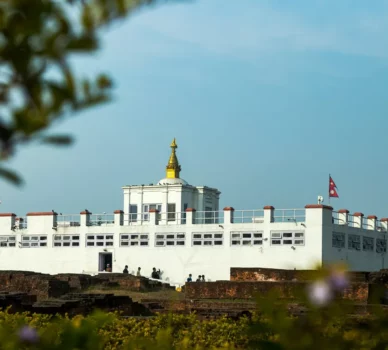
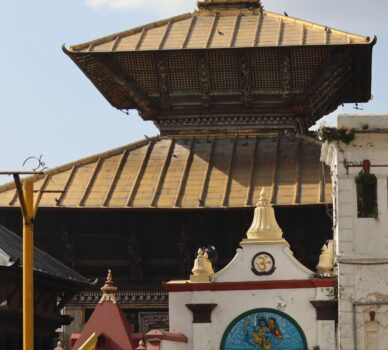
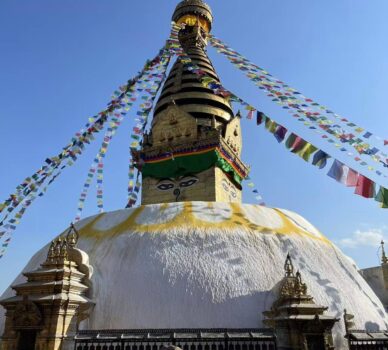
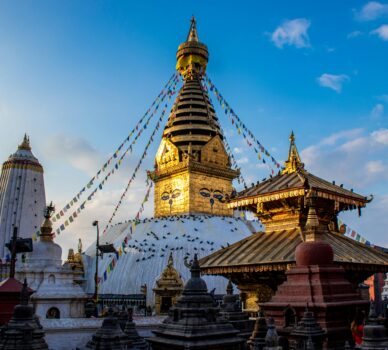
the Indo-Aryans and the Mongoloids (the Kirants). The Hindu Temples and Buddist Shrines are scattered all over the country. Nepal is the birth place of Lord Buddha, the Herald of Peace. Hindus, Buddhists, Muslims, Christians and people of other religions live together here in perfect harmony.
Currency & Foreign exchange
Nepali bank notes comes in Rupees 1, 2, 5, 10, 20, 25, 50, 100, 500, 1000 denominations. Coins come in Rupees 1, 2, 5 and 10 denoinations. Foreign currencies must be exchanged only through banks or authorised money exchangers. The receipt of such transaction are to be obtained and retained. Visitors can exchange foreign currency at the foreign exchange counter at the airport upon arrival too. Visitors other than the Indian nationals have to make the payment in foreign currency (non-Indian Currency)in hotel, trekking agencies or travel agencies and for air tickets.
Political System
Nepal has been declared as a Federal Democratic Republic by the first meeting of Constituent Assembly of May 28, 2008. Nepal practices multi-party syste of democracy with President as the Head of State and the Prime Minister enjoying executive power. Though Nepal has been declared a federal republic, the demarcation of federal states is yet to be done.
Mountains
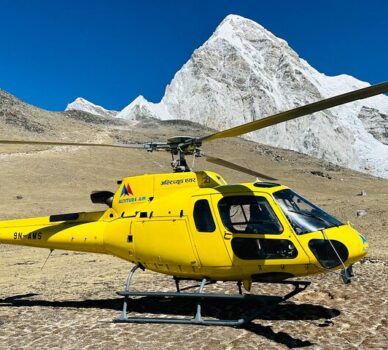
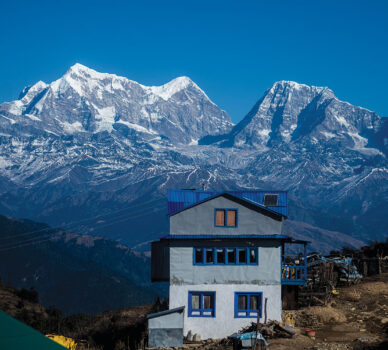
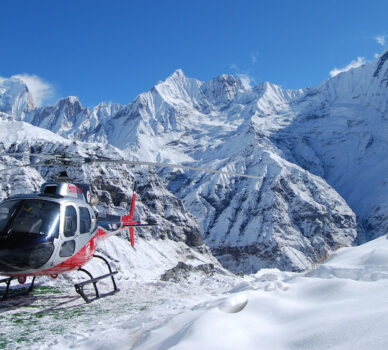
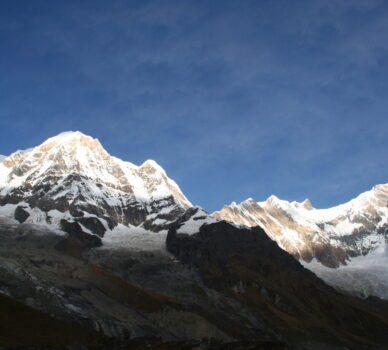
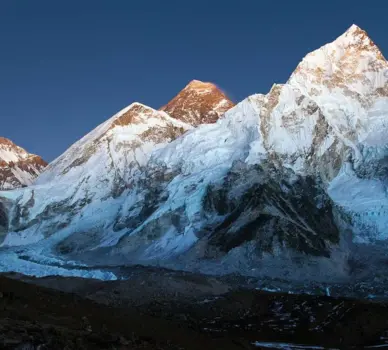
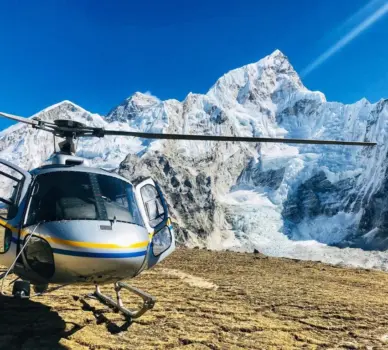
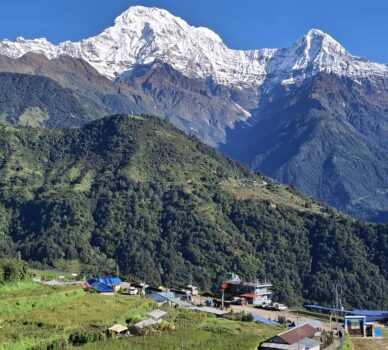
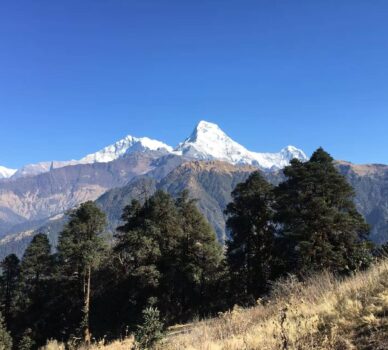
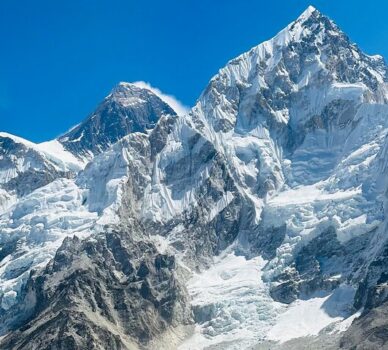
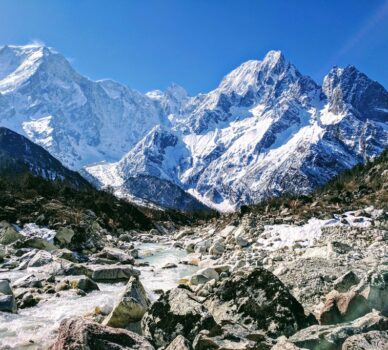
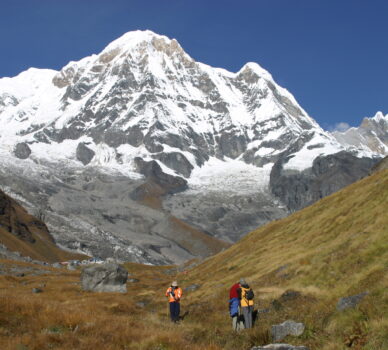
Nepal is a mounainous country and the major portion of the famous Himalayan Ranges lies in Nepal. Nepal is home to eight of the fourteen 8,000-meter peaks including the Mt. Everest. Other 8000-meter peaks in Nepal are Kanchanjunga, Cho-Oyu, Makalu, Manaslu, Annapurna, Dhaulagiri, and Lhotse. Apart from these mountains Nepal is home to hundreds of other beautiful and challenging peaks in the likes of Amadabla, Island, Mera, Ganesh Himal, Gauri Shankar and others. Government of Nepal has opened 326 peaks for mountaineering and expeditions.
Visitor's Trend
Nepal receives foreign visitors in the tune of five lakh every year. The arrival figuire of the country in 2007 crossed five lakhs for the first time. Most of the visitors come to Nepal for Holiday/pleasure activities and to involve in trekking, mountaineering and other activities. Significant number of visitors come for pilgrimage, official, and business purpose. Apart from Kathmandu Valley, visitors prefer to visit Pokhara, Chitwan, Lumbini and different trekking areas of the country including Everest, Annapurna and Langtang regions.
Culture and Tradition
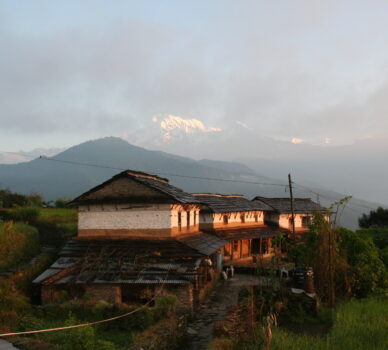
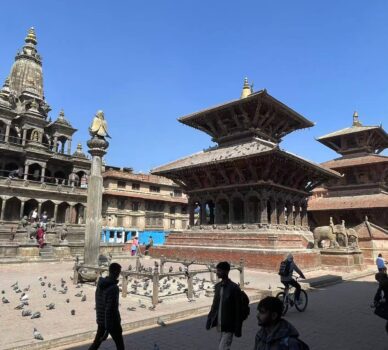
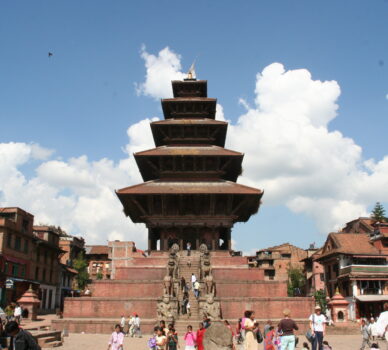
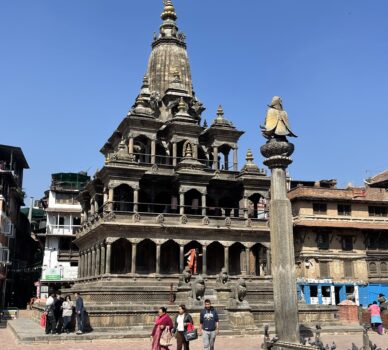
Nepal is a country rch in ancient culture and tradition. Nepal is home to over 60 enthic groups and indigenous nationalities that have their distinct attire, culture, tradition and lifestyle. These communities speak more than 100 local dialects making Nepal a country of great cultural and enthnical diversities. People of Nepal celebrate different festivals throughout the year. There is not a single day in Nepal's calender when colorful festivals are not celebrated. Various temples, monastries and places of religious significance are found everywhere in Nepal.
Topography
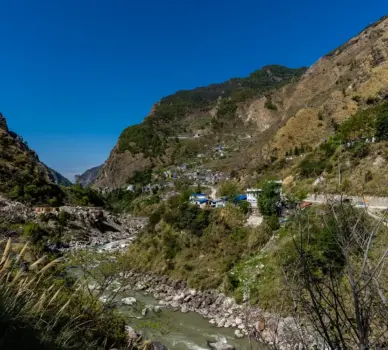
Nepal is a country of great topographica diversities. The altitude in the country varies from less than 70m above sea level at Kechana Kalan of Jhapa to the worlds' highest point 8,848m at the summit of Mt. Everest. This variation occurs at the distance of less than 300kms. Nepal is divided into three different regions as per altitude variations: Mountains, Hills and Terai. Nepal has three major river systems: Koshi, Gandaki and Karnali which all drain into the Bay of Bengal through the Ganges. Similarly, Nepal is home to little lakes of different sizes at the laps of Himalayas to the lowland of Terai. Nepal is also home to lake Tilicho, the lake in the highest altitude in the world.
Biological Diversity
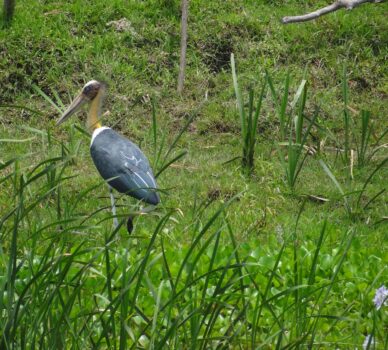
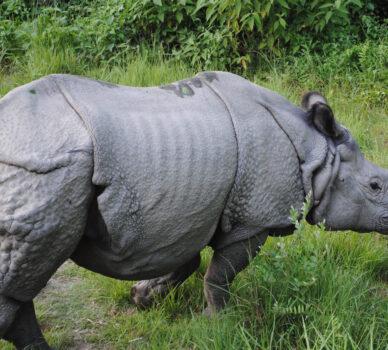
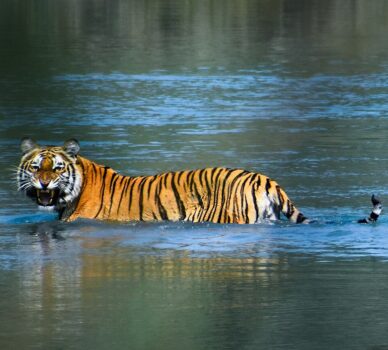
Despite being a small country, Nepal has a great biological diversity. Nepal has gazzetted different national parks and conservation areas to protect bio-diversity in those areas. Nepal is home to 167 species of mammals, 50 amphibian and 130 reptiles, 863 birds and more than 6000 species of plants among which about 245 species of plants are only found in Nepal. A total of 118 ecosystem, 75 vegetation and 35 forest types have been identified so far. Endangered animal species in Royal Bengal Tiger, one-horned rhinos, Red Panda, and other are preserved in different pro
tected areas of Nepal.